

1. The Growing Importance of Efficient Business Operations
In today’s fast-paced economy, businesses with mobile teams, whether delivery drivers, field technicians, or sales representatives, must optimize every aspect of their operations to stay competitive. Managing fuel costs, scheduling maintenance, ensuring driver safety, and maintaining real-time communication are no longer optional; they’re essential to profitability and customer satisfaction. As logistics grow more complex and customer expectations rise, companies are turning to integrated solutions that unify vehicle management, connectivity, and data analytics into a single, streamlined system. This shift is transforming how businesses operate on the road. For example, companies like Radius offer comprehensive business mobility and fleet solutions that combine leasing, fuel management, telematics, and communication tools, helping organizations reduce friction and focus on what they do best.
2. The Operational Challenges Faced by Fleet-Based Businesses
Running a fleet has never been more demanding. Fuel prices remain volatile, unexpected vehicle breakdowns cause costly downtime, and inefficient routes waste both time and resources. Meanwhile, managing driver behavior, speeding, harsh braking, idling impacts safety, insurance costs, and vehicle longevity. Compounding these issues is the need to keep dispersed teams connected, especially when service calls or deliveries must be rescheduled in real time. Traditional methods, spreadsheets, paper logs, and manual check-ins—simply can’t keep up. They lack visibility, delay decision-making, and increase the risk of human error. In an era where minutes matter, businesses need real-time insights and proactive control, not reactive guesswork.
3. The Shift Toward Integrated Business Mobility Solutions
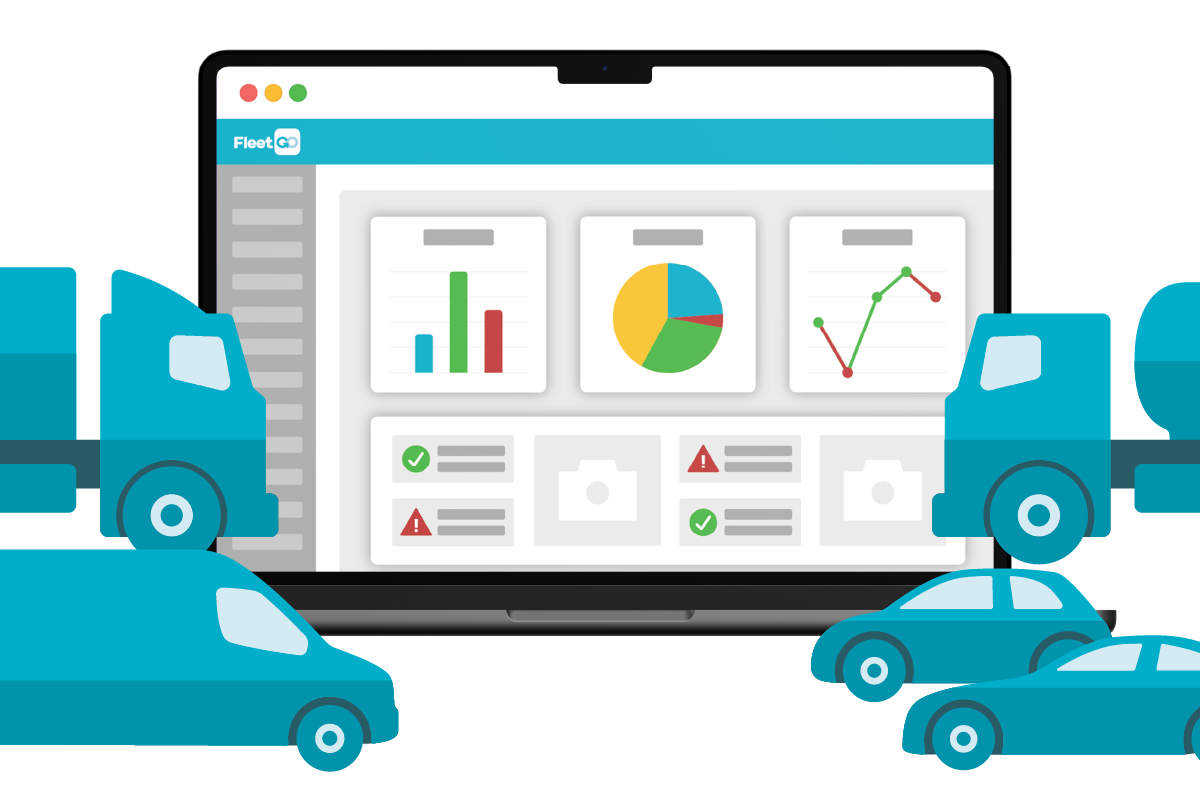
Forward-thinking companies are moving away from fragmented vendors and siloed systems. Instead, they’re adopting centralized platforms that manage everything from vehicle leasing and fuel cards to GPS tracking and mobile connectivity. The benefit? One dashboard, one invoice, and one point of contact for multiple operational needs. This integration reduces administrative overhead, minimizes billing discrepancies, and creates a unified view of fleet performance. When fuel usage, maintenance schedules, and driver behavior are visible in a single system, managers can spot trends, prevent issues before they escalate, and allocate resources more strategically. It’s not just about convenience, it’s about creating a leaner, more responsive operation.
4. The Role of Telematics in Modern Fleet Management
Telematics—the fusion of telecommunications and vehicle informatics- has become the backbone of smart fleet management. In simple terms, it uses GPS and onboard diagnostics to collect real-time data from vehicles: location, speed, engine status, fuel levels, and even driving patterns. This information is transmitted to a central platform where it’s analyzed and visualized. For fleet operators, the benefits are transformative:
- Real-time tracking enables dynamic dispatch and accurate ETAs
- Route optimization reduces mileage and fuel consumption
- Driver behavior monitoring promotes safer habits and lowers insurance premiums
- Predictive maintenance alerts prevent breakdowns by flagging issues before they become failures
No longer a luxury, telematics is now a standard tool for any business serious about efficiency, safety, and sustainability.
5. Controlling Costs While Improving Business Efficiency
Smart fleet management isn’t just about technology; it’s about smarter spending. By analyzing fuel consumption patterns, businesses can identify wasteful idling or unauthorized usage. Optimized routing cuts unnecessary mileage, while lifecycle management ensures vehicles are replaced at the right time, avoiding expensive repairs on aging assets. Even small changes, like encouraging eco-driving or consolidating service zones, can yield significant savings. With integrated dashboards, owners don’t need to be data scientists to make informed decisions. Clear, actionable insights empower them to act quickly, allocate budgets wisely, and protect their bottom line, all while improving service quality.
6. Sustainability and the Future of Fleet Operations
Environmental responsibility is no longer a side note, it’s a strategic priority. Governments are tightening emissions regulations, and customers increasingly favor eco-conscious brands. In response, businesses are exploring electric vehicles (EVs), hybrid models, and alternative fuels. But transitioning to greener fleets requires more than just new vehicles; it demands infrastructure (like EV charging stations) and software that can manage mixed-fuel fleets seamlessly. Leading mobility providers now offer solutions that support both traditional and electric vehicles within the same platform, making sustainability scalable and manageable—even for mid-sized businesses.
7. Data-Driven Decision Making in Fleet Management
Data is the new currency of fleet efficiency. By tracking metrics like vehicle utilization, idle time, and cost per mile, companies can uncover hidden inefficiencies. Is one van sitting idle 60% of the week? Are certain routes consistently causing delays? Analytics turn these questions into opportunities. Over time, this data informs better scheduling, smarter vehicle assignments, and more accurate budgeting. Most importantly, transparency builds trust—with drivers, clients, and leadership. In a competitive market, the ability to prove performance and continuously improve is a powerful differentiator.
8. Industry Insights and Best Practices
The global shift toward smarter mobility is well-documented. According to the International Transport Forum, digital fleet management can reduce CO₂ emissions by up to 15% through optimized routing and eco-driving alone. Similarly, the International Energy Agency highlights that commercial fleets will play a pivotal role in the adoption of electric vehicles, with light-duty EVs expected to reach 30% of global sales by 2030. These trends underscore a broader truth: the future of logistics is connected, efficient, and sustainable. Companies that embrace integrated technologies today are positioning themselves as leaders tomorrow.
9. Conclusion: Building a Smarter, More Connected Fleet
Modern fleet management is no longer just about moving vehicles; it’s about moving intelligence. By integrating telematics, fuel management, maintenance tracking, and communication tools, businesses gain unprecedented control over their operations. This connectivity drives efficiency, enhances safety, supports sustainability, and ultimately boosts competitiveness. In an economy where agility and responsiveness define success, adopting smart, integrated solutions isn’t just practical; it’s essential. With partners like Radius and the right technology stack, any business can build a fleet that’s not only efficient but truly future-ready.

