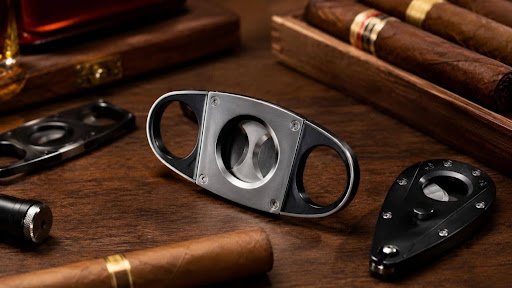
Enjoying a premium cigar is a ritual built around details. The tobacco blend, storage conditions, lighting technique and smoking pace all influence the experience, but one small accessory has an especially important role before the cigar is even lit: the cutter.
A cigar must be opened correctly to allow smoke to travel through its carefully constructed interior. A poor cut can damage the wrapper, restrict airflow or remove too much of the cap. By contrast, a precise cut preserves the cigar’s structure and helps create the smooth draw intended by the cigar maker.
For smokers who want to compare different cutting mechanisms without unnecessarily increasing their accessory budget, looking for a cigar cutter at the best price can be a practical starting point. The key is not simply finding the least expensive model, but understanding which cutter design, blade quality and format provide the best balance between precision, durability and ease of use.
Why the Quality of the Cut Matters
A handmade cigar is a carefully assembled product. Its filler leaves create the internal structure, the binder holds them together, and the wrapper provides the cigar with its finished appearance while also contributing to its flavor profile.
At the head of most traditional cigars is a cap designed to keep the wrapper securely in place. The purpose of cutting is to create an opening through this cap without compromising the surrounding construction.
When the cut is clean, air passes evenly through the cigar. If the opening is too small, the draw may become unnecessarily tight. If too much of the cap is removed, the wrapper can begin to unravel. Dull blades can create another problem by crushing or tearing the tobacco rather than slicing through it.
This explains why a cutter should be considered a functional smoking tool rather than a purely decorative accessory.
Understanding the Main Types of Cigar Cutters
There is no universal cutting method that suits every cigar and every smoker. Different cutter designs produce different openings, making certain formats particularly useful for specific cigar shapes and personal preferences.
Straight Cutters
The straight cut is probably the most familiar approach. It removes a small section from the cigar’s head, creating a broad opening for airflow.
Single-blade cutters exist, but double-blade guillotine cutters are particularly popular. With two sharp blades moving toward one another, pressure is distributed more evenly around the cigar. A well-made double-blade cutter can therefore deliver a very clean cut with minimal compression.
Straight cutters are highly versatile and work with many common cigar sizes. They are also straightforward to use, which makes them suitable for beginners as well as experienced enthusiasts.
V-Cutters
Instead of removing the end of the cap, a V-cutter creates a wedge-shaped channel in the cigar’s head. This opening can provide substantial airflow while leaving more of the cap intact.
Modern V-cutters can create relatively deep channels, which makes them appealing to smokers who want a concentrated draw without making a full straight cut. They can also be particularly interesting with larger ring-gauge cigars.
Blade sharpness is especially important with this design. A poorly manufactured V-shaped blade may compress the tobacco before completing the cut.
Punch Cutters
A punch cutter uses a circular blade to remove a small plug from the center of the cigar’s cap. Because relatively little tobacco is removed, much of the cigar’s original structure remains untouched.
Punches are compact and convenient, making them easy to carry in a pocket or attach to a keyring. However, they are not suitable for every cigar shape. Cigars with pointed or tapered heads, such as many figurados, generally require another cutting method.
Matching the Cutter to the Cigar
Choosing a cutter should begin with the cigars you actually smoke.
Ring gauge is one of the first considerations. A cutter must have an opening large enough to accommodate the cigar comfortably. Trying to force a thick cigar into an undersized guillotine can compress or damage the wrapper before the blades even move.
Shape matters as well. Traditional parejo cigars with rounded capped heads are compatible with most cutting methods. Figurados require more consideration because their tapered or pointed heads change the geometry of the cut.
A smoker who regularly alternates between robustos, coronas, toros and larger formats may therefore benefit from a versatile double-blade cutter with sufficient capacity. Someone who consistently prefers conventional rounded cigars might choose between a straight cutter, punch or V-cutter according to the desired draw.
Blade Quality Should Be a Priority
The appearance of a cigar cutter can be important, particularly when it is purchased as a gift or used as part of a refined smoking setup. Functionality, however, should come first.
Sharp blades require less force to pass through tobacco. This reduces compression and helps protect delicate wrapper leaves. Stainless steel is commonly used because it combines cutting performance with resistance to corrosion, although the quality of the steel and the precision of the mechanism can vary considerably between products.
When evaluating a cutter, several characteristics deserve attention:
- Blades should move smoothly without excessive lateral play.
- The cutting edges should meet accurately and consistently.
- The body should feel stable enough to control during use.
- The cutter’s maximum diameter should match the cigars you commonly smoke.
- The mechanism should be easy to clean after repeated use.
A higher price does not automatically guarantee better cutting performance. Likewise, choosing solely on price can be misleading. Construction quality and blade geometry are more meaningful indicators of long-term value.
How to Make a Proper Straight Cut
Technique is just as important as the cutter itself. Even an excellent blade can produce poor results if too much of the cigar is removed.
Examine the head of the cigar before cutting. On a traditional rounded cigar, you can usually identify the cap by the visible line where it meets the wrapper. The objective is to create an adequate opening while retaining enough of the cap to hold the wrapper securely.
Position the cigar carefully inside the cutter and keep the blades perpendicular to its length. Once the position is correct, close the blades in one deliberate, confident motion.
Avoid slowly squeezing the cutter through the tobacco. A hesitant movement can increase compression and produce a less precise edge.
After cutting, inspect the head. A clean opening with the wrapper remaining firmly attached is usually a good sign. You can then test the draw before lighting. If it feels unusually restricted, a very small additional adjustment may be possible, but removing tobacco gradually is safer than cutting too deeply at the beginning.
Common Cutting Mistakes to Avoid
One of the most frequent mistakes is cutting below the cap line. This removes part of the structure responsible for securing the wrapper and significantly increases the possibility of unraveling.
Another common issue is using a dull cutter for too long. Because blade deterioration occurs gradually, smokers sometimes compensate by applying additional pressure. This can crush the cigar instead of producing a clean slice.
It is also important not to assume that every cutter suits every format. Before attempting to cut an unusually large cigar, check whether the cutter can accommodate its ring gauge without forcing it into the opening.
Finally, avoid cutting a cigar that has been stored improperly whenever possible. An excessively dry wrapper is fragile and more likely to crack under pressure. Correct humidification contributes not only to smoking quality but also to cleaner preparation.
Maintaining a Cigar Cutter
Cigar cutters require relatively little maintenance, but they should not be completely neglected.
Small particles of tobacco and natural oils can gradually accumulate around the blades and mechanism. Wiping the cutter carefully after use helps keep the moving parts clean. The cutter should also be stored in a dry environment, particularly if it contains metal components that could be affected by prolonged exposure to moisture.
Never attempt aggressive sharpening unless the manufacturer specifically designed the blades to be serviced that way. With some cutter designs, incorrect sharpening can change the blade geometry and make performance worse rather than better.
When a cutter consistently tears wrappers despite being clean and properly operated, replacement may be preferable to continuing to use a deteriorated blade.
Is an Expensive Cigar Cutter Worth It?
Premium cutters can offer genuine advantages. Better machining, stronger materials, smoother mechanisms and precisely finished blades can contribute to consistent performance over many years. Some luxury models also provide sophisticated designs and finishes that appeal to collectors.
However, excellent results do not necessarily require the most expensive cutter available.
For most smokers, the best value comes from finding a reliable cutter that performs its essential function repeatedly and cleanly. Someone who smokes occasionally may have little reason to invest in an elaborate luxury model. A frequent cigar enthusiast, on the other hand, may appreciate the durability and mechanical precision of a more substantial cutter.
The appropriate budget therefore depends on frequency of use, cigar preferences and expectations regarding longevity.
Building a Better Cigar Ritual
A cigar cutter occupies very little space compared with a humidor or other smoking accessories, yet it has an immediate influence on every cigar it touches. Selecting the right model means considering cutting style, blade construction, ring-gauge compatibility and ergonomics rather than focusing solely on appearance.
For beginners, a dependable double-blade guillotine is often an excellent introduction because of its versatility. As preferences develop, experimenting with a V-cutter or punch can reveal how different openings affect draw and the overall smoking experience.
Whatever design is chosen, precision remains the central requirement. A cigar represents considerable work from cultivation and fermentation to rolling and aging. Preparing it with a sharp, appropriate cutter protects that craftsmanship and helps ensure that the first draw begins exactly as it should.
Also read: Cigarette Alternatives That You Can Try Out For Yourself