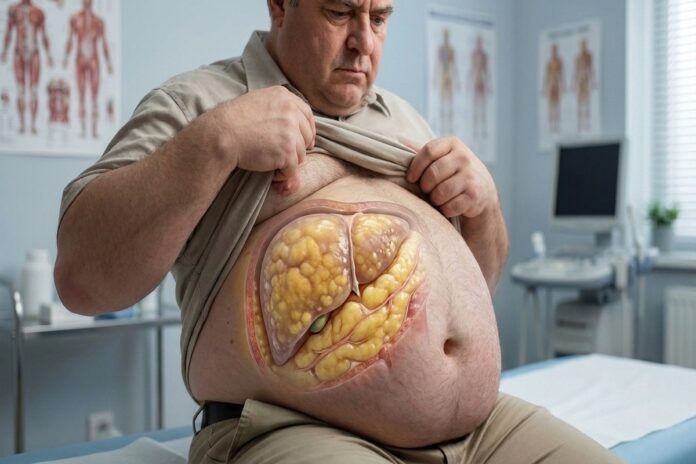
John had been feeling tired for weeks. Nothing dramatic. He was still going to work, doing his usual routine, and getting through the day. But somehow, he never felt fully energized.
By afternoon, he just wanted to sit down.
At first, John blamed his busy schedule. Maybe he wasn’t sleeping enough. Maybe he needed more coffee. He also noticed that his clothes were getting a little tighter around the waist, but he didn’t think much of it.
Then, during a routine medical checkup, his doctor mentioned something John had never really thought about before fatty liver.
“Fatty liver?” John asked, surprised. “But I don’t have any liver pain.”
And that was exactly the problem.
Many people with fatty liver don’t feel anything unusual at first. There may be no obvious pain, no dramatic warning sign, and sometimes not even a clear symptom to point toward the liver.
John started wondering how something could be happening inside his body without him knowing.
Then he began thinking about his daily habits the sugary drinks he had almost every day, the meals he often ate in a hurry, the hours spent sitting at his desk, and how little time he had been giving to exercise.
Suddenly, his tiredness, changing waistline, and everyday routine didn’t seem so unrelated.
If John’s story sounds familiar, you may have more in common with him than you think.
Fatty liver is increasingly recognized as part of a broader metabolic health problem, and it can affect people who don’t realize anything is wrong. The good news is that understanding what is happening is the first step toward taking better care of your liver.
Let’s start with what fatty liver actually means and why it deserves your attention. You can have fatty liver and not feel sick at all.
That is what makes this condition easy to overlook. A person may go through their normal routine, eat breakfast, work, study, exercise or not exercise and feel completely fine while excess fat is accumulating in the liver. Fatty liver is often discovered during blood tests or imaging performed for another reason.
But hearing the words “fatty liver” doesn’t automatically mean your liver is permanently damaged. Fatty liver exists on a spectrum, and the outlook depends on what is causing it and whether inflammation or scarring has developed.
The good news is that there are meaningful things you can do to support liver health. The key isn’t a miracle drink, a “liver detox,” or one magical food. It’s understanding why liver fat develops and then addressing the bigger picture nutrition, physical activity, metabolic health, and appropriate medical care.
What Is Fatty Liver?
Fatty liver means that excess fat has accumulated in the liver. The condition can range from relatively simple fat accumulation to more significant liver injury.
What Are the Symptoms of Fatty Liver?
Here’s something many people don’t expect:
Fatty liver often has few or no symptoms.
When symptoms do occur, they can include:
- Fatigue
- Low energy
- Discomfort in the upper-right abdomen
However, symptoms alone cannot tell you whether someone has fatty liver or whether liver damage has developed.
Can Fatty Liver Cause Serious Symptoms?
More advanced liver disease can produce signs such as jaundice, abdominal swelling, dark urine, itching, or other complications associated with cirrhosis.
These symptoms should not be ignored.
What Causes Fatty Liver?
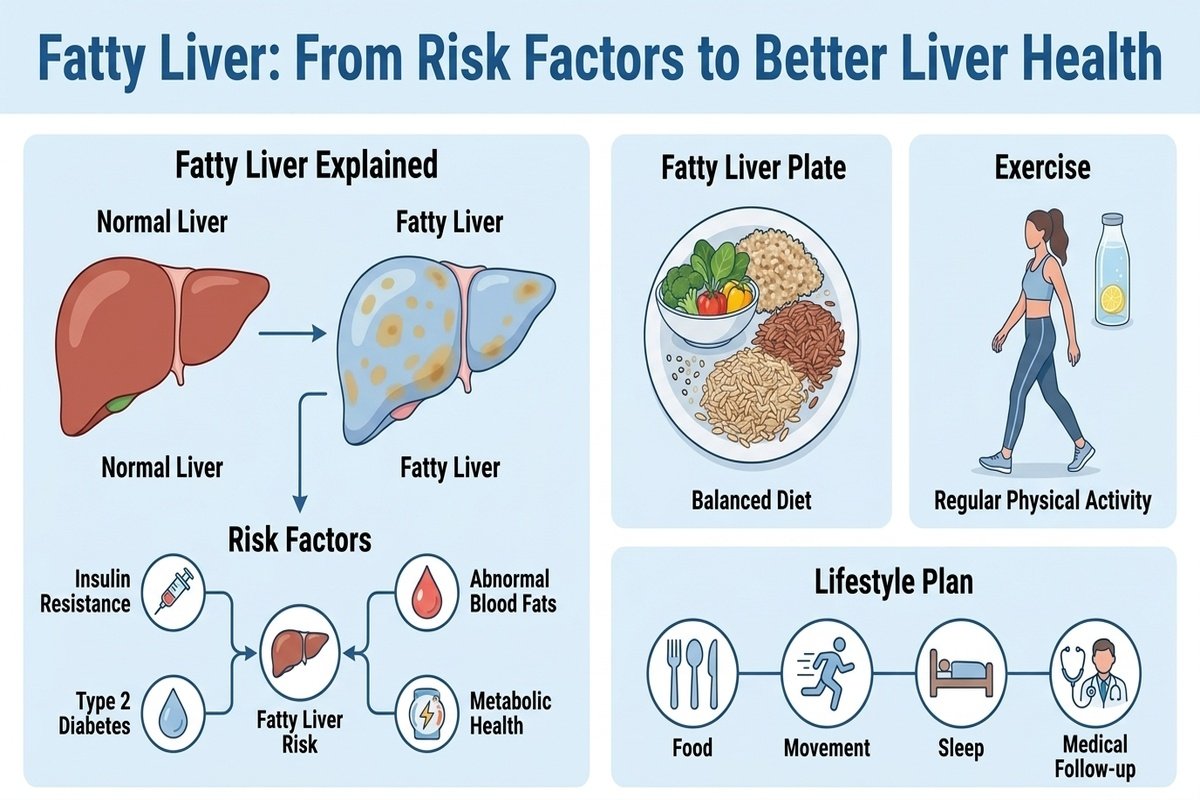
There isn’t always one simple cause. Other types of disease can also cause fat accumulation, so proper evaluation matters.
Insulin Resistance and Type 2 Diabetes
Insulin resistance and type 2 diabetes are strongly associated with it. When the body’s normal regulation of glucose and fat metabolism becomes disrupted, excess fat can accumulate in the liver.
Excess Body Weight
Overweight and obesity are important risk factors. However, fatty liver isn’t exclusively a condition of people with obesity. People at different body sizes can develop metabolic dysfunction and liver fat, which is one reason it is better to look at overall metabolic health.
High Triglycerides and Abnormal Cholesterol
Unhealthy levels of blood fats, including elevated triglycerides and abnormal cholesterol levels, are associated with fatty liver.
Metabolic Syndrome
Metabolic syndrome is a combination of health factors that can include:
- Increased waist size
- High blood pressure
- High blood glucose
- High triglycerides
- Low HDL cholesterol
Having several of these factors can increase the likelihood of metabolic dysfunction and fatty liver.
Diet High in Added Sugar
A diet containing a lot of added sugar particularly from sweetened beverages can contribute to metabolic problems associated with fatty liver.
Fructose is naturally present in fruit but is also widely used in sweetened foods and drinks. Research has linked excessive fructose intake with fatty liver risk.
Why Does Fatty Liver Happen?
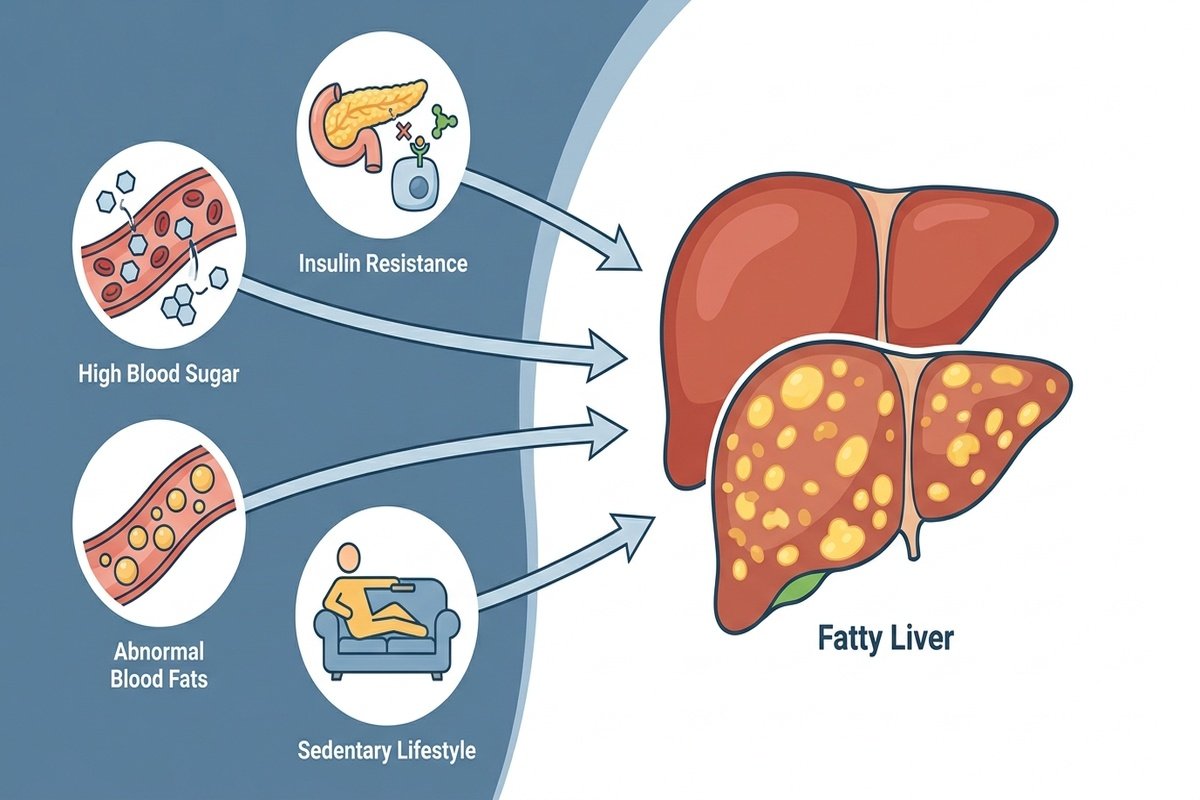
Your liver is deeply involved in the way your body processes nutrients and energy. When metabolism is disturbed, the liver can begin storing more fat.
For some people, the result is mainly liver fat with little inflammation or damage. For others, inflammation and liver-cell injury develop. Over time, persistent injury can contribute to fibrosis and, in some cases, cirrhosis. This is why the goal isn’t simply to clean the liver. The bigger goal is to improve the factors contributing to liver fat and protect long-term liver health.
How Is Fatty Liver Diagnosed?
Fatty liver cannot reliably be diagnosed just by looking at symptoms.
A healthcare professional may consider:
- Medical history
- Physical examination
- Blood tests
- Liver enzymes
- Metabolic health markers
- Ultrasound or other imaging
- Elastography or other fibrosis assessment when appropriate
- In selected cases, additional testing or liver biopsy
Doctors may also investigate other causes of liver disease and ask about alcohol intake, medications, and other health conditions.
What Can Help Improve Fatty Liver?
The most useful approach is not rough and tough. It is being consistent.
Sustainable changes are the goal.
Healthy Lifestyle Changes for Fatty Liver
1. Make Regular Physical Activity Part of Your Routine
Physical activity is an important part of fatty liver management.
Both aerobic activity and resistance training can help reduce liver fat and improve metabolic health.
If you’re currently inactive, you don’t need to begin with an intense workout.
Start with something manageable, such as regular walking, and gradually build your activity.
2. Reduce Long Periods of Sitting
A healthier lifestyle isn’t only about formal workouts.
Look for simple opportunities to move throughout the day:
- Walk during breaks.
- Take the stairs when appropriate.
- Stretch between long periods of sitting.
- Take short walks.
- Add movement to everyday activities.
Small habits can make an otherwise sedentary day more active.
3. Prioritize Sleep
Sleep isn’t a magic cure for fatty liver, but healthy sleep is part of good overall metabolic health
4. Manage Stress
Stress can make healthy routines harder to maintain.
Consider practical strategies such as:
- Walking
- Relaxation exercises
- Breathing practices
- Time outdoors
- Hobbies
- Social connection
The best stress-management strategy is often the one you can realistically maintain.
5. Be Careful With “Liver Detox” Products
This is where marketing can get ahead of science. You don’t need a special juice, tea, or detox program to “clean” your liver. Be especially cautious about supplements and herbal products marketed for liver cleansing. Some products can interact with medications or cause harm.
Fatty Liver Diet: What Should You Eat?
There isn’t one magical food that removes fat from the liver. Instead, think about your overall eating pattern. A Mediterranean-style pattern is one example of an eating pattern commonly recommended.
Foods to Include More Often
Depending on your individual nutritional needs, build meals around:
- Vegetables
- Whole fruits
- Beans and lentils
- Whole grains
- Nuts and seeds
- Fish
- Other nutritious protein sources
- Foods containing unsaturated fats
Foods and Drinks to Limit
Reduce
- Sugar-sweetened soft drinks
- Sweetened juices and beverages
- Highly processed foods
- Foods high in added sugar
- Foods high in saturated or trans fats
- Avoid very large portions
- Refined-carbohydrate-heavy meals
Exercise and Yoga for Fatty Liver
Exercise can be a valuable part of a fatty liver management plan. Aerobic and resistance exercise are both useful approaches for reducing liver fat and improving metabolic health.
Beginner-Friendly Exercise Options
Depending on your health and fitness level, options can include:
- Brisk walking
- Cycling
- Swimming
- Dancing
- Resistance-band exercises
- Bodyweight exercises
- Strength training
Can Yoga Help Fatty Liver?
Yoga can be incorporated into a healthy movement routine. It may help with flexibility, physical activity, relaxation, and stress management. But be careful with claims that a particular yoga pose can “burn liver fat” or cure fatty liver. There isn’t a magic pose that fixes your liver. Gentle practices may include:
- Cat-Cow
- Mountain Pose
- Child’s Pose
- Gentle seated stretches
- Controlled breathing
When Should You See a Doctor?
If you’ve been told you have fatty liver, don’t panic—but don’t simply ignore it either.
Speak with a healthcare professional if:
- You have abnormal liver blood tests.
- Imaging has shown liver fat.
- You have diabetes or significant metabolic risk factors.
- You have persistent or concerning symptoms.
- You’re worried about possible liver disease.
- You’re taking medicines that may affect the liver.
- You have a history of liver disease.
Seek medical attention for concerning symptoms such as yellowing of the skin or eyes, significant abdominal swelling, or other signs of potentially advanced liver disease. Your doctor can determine whether you need additional tests to assess liver health and fibrosis risk.
Frequently Asked Questions About Fatty Liver
Q1: are the symptoms of fatty liver?
Fatty liver often causes no symptoms. When symptoms occur, they can include fatigue or discomfort in the upper-right abdomen.
Q2: Can fatty liver improve?
Yes. Lifestyle changes can reduce liver fat, and appropriate weight loss in people who are overweight or have obesity can improve several aspects of fatty liver disease. The degree of improvement depends on the individual and whether inflammation or fibrosis is present.
Q3: What is the best diet for fatty liver?
There is no single perfect diet. A balanced eating pattern rich in vegetables, whole foods, fiber-rich foods, and healthier unsaturated fats, while limiting added sugars and unhealthy fats, can support liver and metabolic health.
Q4: Are sugary drinks bad for fatty liver?
Regularly consuming large amounts of sugar-sweetened beverages can contribute to metabolic problems associated with fatty liver. Reducing these drinks is a practical dietary change.
Q5: Is exercise good for fatty liver?
Yes. Aerobic and resistance exercise can help reduce liver fat and improve metabolic health.
Q6: Can yoga cure fatty liver?
Yoga should not be described as a cure. It can be part of an active, healthy lifestyle, but it should complement not replace appropriate medical evaluation and evidence-based management.
Q7: Can someone have fatty liver without being overweight?
Yes. Fatty liver can occur in people who are not overweight, including people with metabolic or genetic risk factors. Body size alone cannot determine whether someone has liver fat or liver disease.
Final Thoughts
Fatty liver can be an unsettling diagnosis, especially when you feel completely normal. But it doesn’t have to become a source of panic. Think of it as an opportunity to take a closer look at the bigger picture of your health.
There is no single food, tea, exercise, or yoga pose that magically fixes the liver. What matters more is the combination of nutritious eating, regular physical activity, healthy metabolic habits, and appropriate medical follow-up. Start with one change you can actually maintain. Then build from there.
Consistency is far more valuable than a perfect plan you cannot sustain
FAQ’s
Question: What is fatty liver?
Answer: Fatty liver occurs when excess fat builds up in the liver. MASLD is a common form associated with metabolic risk factors.
Question: What are the symptoms of fatty liver?
Answer: Fatty liver often causes no symptoms, although some people may experience fatigue or discomfort in the upper-right abdomen.
Question: Can fatty liver improve?
Answer: Yes. Lifestyle changes, including healthier eating and regular physical activity, can reduce liver fat. Appropriate weight management may provide additional benefits for people who are overweight or have obesity.
Question: What diet is best for fatty liver?
Answer: A balanced diet emphasizing vegetables, whole foods, fiber-rich foods, and healthier unsaturated fats while limiting added sugars and unhealthy fats can support liver health.
Question: Is exercise helpful for fatty liver?
Answer: Yes. Aerobic and resistance exercise can help reduce liver fat and improve overall metabolic health.
Question: Can fatty liver become serious?
Answer: In some people, fatty liver can progress to inflammation, fibrosis, cirrhosis, and other complications, although progression is not inevitable.