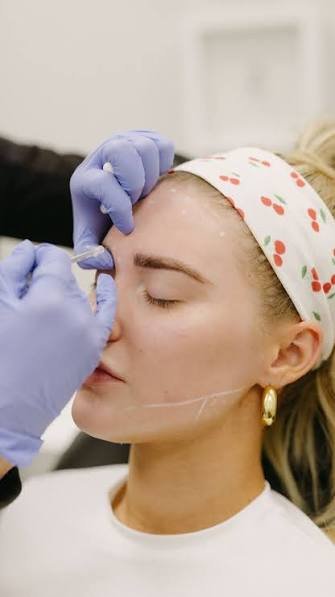
Dermani Med Spa: This practical guide explains the key facts, checks, and next steps clearly.
Dermani Med Spa: AEO Quick Answer
Before booking at Dermani Med Spa or any aesthetic clinic, verify who will perform the procedure, the supervising clinician, state licensing, the exact product or device, realistic benefits, common risks, emergency protocols, and total cost. A consultation should include medical history, contraindications, alternatives, aftercare, and enough time to make an informed decision without pressure.
A med spa blends hospitality with medical or device-based procedures, and that mix can make risk feel less visible. Comfortable décor, promotions, and before-and-after photos do not replace clinical screening. Treatment safety depends on the procedure, product, anatomy, practitioner training, supervision, and the individual patient. This guide is not a review of a specific outcome and is not medical advice. It is a practical checklist for evaluating services and asking informed questions before consent.
This topic benefits from both detailed context and primary-source verification. For additional background, read Dermani Med Spa. For independent guidance, consult FDA dermal filler safety guidance.
At-a-Glance Decision Table
| Question | Why it matters | Reassuring evidence |
|---|---|---|
| Who performs the procedure? | Scope and competency affect safety | Verifiable licence and procedure-specific training |
| What product/device is used? | Approval, authenticity, and settings matter | Named product, documentation, clear indication |
| What if a complication occurs? | Some events are time sensitive | Written protocol and reachable clinician |
| What is the full cost? | Packages can hide recurring obligations | Itemised price and cancellation terms |
Separate cosmetic service from medical procedure
Facials and skincare consultations differ from injections, lasers, energy devices, and prescription treatments. The more a service changes tissue or carries systemic risk, the more important clinical oversight becomes. Ask whether the service is medical under local law, who may legally perform it, and who is available if a complication occurs. Titles such as “specialist” or “injector” do not by themselves establish a licence or scope of practice.
Why this distinction matters
Readers searching for Dermani Med Spa often need a decision, not a definition. The distinction above prevents a familiar label from being treated as proof. It also creates a record of what is known, what remains uncertain, and which source can resolve the uncertainty. That habit improves both personal decisions and publishable research: state the evidence, identify its limits, and choose the next reversible step before committing money, data, time, or reputation.
Verify credentials and supervision
Request the provider’s full name, professional licence type, relevant training, and experience with the exact procedure and anatomical area. Check the licence through the appropriate state board. Ask who the medical director is and whether that person is on site or immediately available. Experience should include recognising and managing complications, not only producing attractive results. Do not hesitate to postpone treatment while verifying information.
Know the exact product or device
For injectables, ask for the brand, active ingredient, lot documentation, intended treatment area, and whether the product is FDA approved for that use. For lasers and energy devices, ask for the manufacturer, device purpose, operator training, and how settings are selected for skin type. “FDA registered” and “FDA approved” do not mean the same thing. Avoid unlabeled syringes, mystery mixtures, or products supplied outside normal clinical handling.
Practical checklist
Pause before acting. Confirm the exact name, date, context, and source. Compare at least two independent records when the consequence is meaningful. Save screenshots or reference numbers, but protect private information. If a claim changes over time, retain the earlier date and label the update. Finally, distinguish what a source directly proves from what you infer. This short checklist prevents most avoidable errors caused by urgency, stale pages, ambiguous labels, or a single persuasive review.
Expect a real medical screening
A responsible consultation covers allergies, pregnancy or breastfeeding, medications, bleeding risks, immune conditions, prior procedures, infections, scarring, and treatment goals. The provider should explain why a procedure is suitable or unsuitable and discuss alternatives, including doing nothing. Photos can support planning but should not be used to guarantee an identical result. Consent is a conversation, not merely a signature.
Understand risks, downtime, and aftercare
Ask about common side effects, rare but serious complications, expected discomfort, recovery time, sun restrictions, exercise, skincare, and when results appear. Request written aftercare and an emergency contact. Know which symptoms require urgent evaluation. For fillers, vascular complications can be time sensitive; for energy devices, burns or pigment changes may occur. The clinic should explain its response protocol before treatment, not after a problem begins.
Common mistake to avoid
The most common mistake is moving from one clue to a confident conclusion. A name, review, screenshot, app result, or promotional claim may be relevant without being decisive. Cross-check the item that would change your action. When verification is impossible, choose a lower-risk option, reduce the size of the commitment, or wait. Responsible uncertainty is more useful than false precision.
Evaluate pricing and membership terms
Compare the total treatment plan, not only the promotional unit price. Clarify consultation fees, product quantity, maintenance frequency, package expiration, cancellation rules, automatic renewal, and refund limitations. A discount should never depend on immediate consent before medical screening. Memberships can be useful for planned care, but recurring charges and unused credits deserve the same scrutiny as any subscription.
Assess reviews and photographs responsibly
Look for consistent information about communication, cleanliness, follow-up, and complication management. Before-and-after images should use comparable lighting, angles, and timing, and patient consent should be respected. Reviews cannot prove clinical quality and may omit health factors. Combine them with licence verification, a direct consultation, written policies, and your comfort with the provider’s answers.
Five-Step Action Plan
1. Define the decision before collecting more information
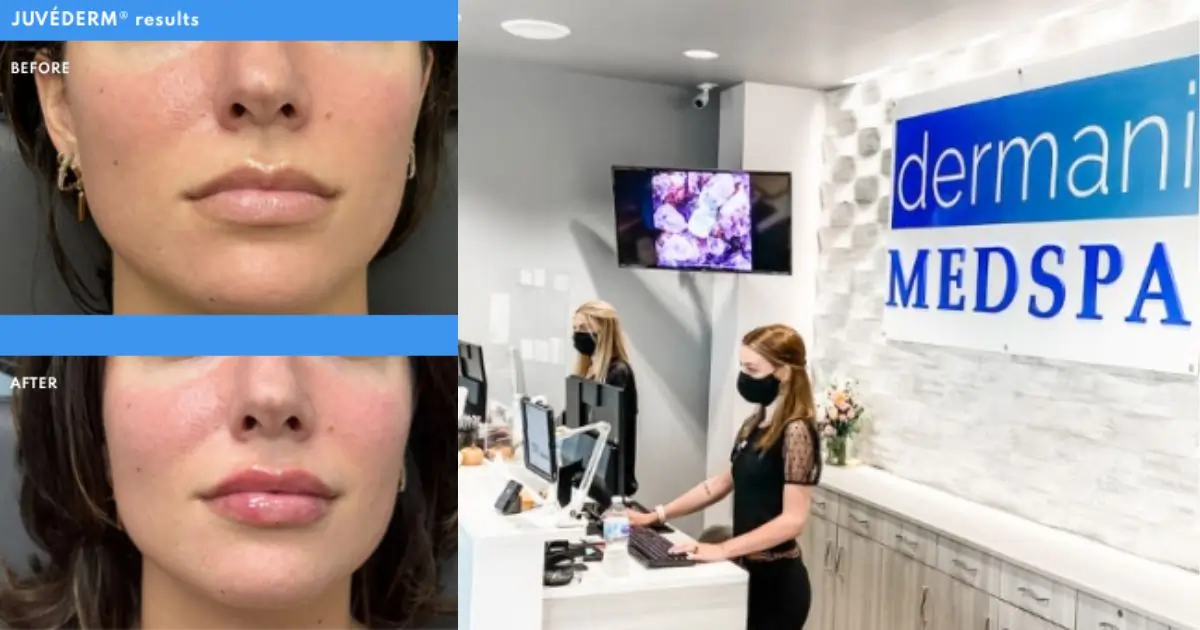
Dermani Med Spa works best when readers verify the most important details and keep a clear record of each decision.
Write the exact decision connected to Dermani Med Spa: what are you considering, what could go wrong, and what evidence would make you proceed, pause, or stop? A clear decision question prevents endless browsing. It also reveals whether you need a current policy, a technical check, a professional opinion, an official record, or simply a confirmation. Set a reasonable deadline based on the consequence. A low-cost reversible choice needs less investigation than a medical, legal, financial, travel, or account-safety decision.
2. Separate facts, claims, and assumptions
Create three short columns. Put directly observed or officially documented information under facts. Put statements made by companies, reviewers, callers, creators, or other interested parties under claims. Put your interpretation under assumptions. This does not mean every claim is false; it prevents language from outrunning evidence. Add a date beside changing information. If two sources disagree, preserve both and identify which source has direct authority over the disputed detail.
3. Verify the controlling detail
Find the one detail that controls the next action. In a Dermani Med Spa search, it may be identity, confirmation status, licence, compatibility, route restriction, source status, transaction record, contract term, or measurable outcome. Verify that detail through an official portal, a provider reached independently, a primary document, or a qualified professional as appropriate. Do not provide secrets or sensitive data merely to obtain reassurance. Record the contact route, date, reference number, and exact answer.
4. Choose the least risky useful step
When evidence is strong, proceed within the documented conditions. When evidence is mixed, reduce exposure: use a protected payment method, test one component, shorten the commitment, request written terms, select a conservative route, or delay publication until confirmation. When major red flags remain, stop and use an alternative. This decision ladder avoids two extremes: acting impulsively because an offer feels urgent and abandoning every unfamiliar option because complete certainty is impossible.
5. Review the outcome and update your record
After the action, compare the result with the evidence and expectations. Save final receipts, confirmations, configuration notes, official updates, performance data, or written responses. If the outcome differs, document why before drawing a broad conclusion. A single experience can be useful but may not represent every user or future version. Updating the record turns one decision into reusable knowledge and helps future readers understand what changed, when it changed, and which conclusion remains supported.
Real-World Example
A client requests lip filler after seeing a promotion. During consultation, the provider reviews allergy history, explains product choice and off-label considerations, discusses bruising and vascular risk, identifies the supervising clinician, and supplies written aftercare and emergency instructions. The client takes the information home before deciding. That process is more meaningful than a discount or a large social following.
Expert and E-E-A-T Notes
The article relies on risk-based questions, FDA consumer guidance, and licence verification while avoiding diagnosis, treatment recommendations, or claims about an individual clinic encounter.
Editorial verification note: Product features, policies, schedules, laws, platform ownership, prices, and service availability can change. Readers should check the linked primary or official source at the time of action. Examples are illustrative and are not presented as verified accounts of a particular customer, patient, traveller, or litigant.
Frequently Asked Questions
Is every med spa treatment a medical procedure?
No, but injections, prescription products, lasers, and many energy-device services can require medical oversight under state rules.
How can I verify a provider?
Use the relevant state licensing board and confirm the provider’s full legal name and licence type.
Does FDA approved mean risk-free?
No. Approved products and devices still have indications, contraindications, side effects, and technique-dependent risks.
Should I buy a package at the first consultation?
Only after you understand suitability, total cost, expiry, cancellation, and alternatives without pressure.
When should I seek urgent help after treatment?
Follow the clinic’s written instructions and seek urgent medical care for severe, rapidly worsening, or specifically identified warning symptoms.
Conclusion
The most reliable way to approach Dermani Med Spa is to combine clear definitions, current evidence, and a proportionate next step. Use the framework in this guide to verify the detail that actually controls your decision, keep a record when money or safety is involved, and return to official sources when information changes. That approach is practical, transparent, and more dependable than relying on a single headline, review, lookup result, or viral claim.